On the evening of February 16, 1929, the son of oil magnate Edward Doheny, Ned Doheny was found dead inside his mansion. Also dead was Hugh Plunkett, Ned’s business partner or aid (depending on where you look). Ned’s wife, Lucy, was in the library at the time of the incident. She heard two shots and found them dead in the parlor. That’s when she called not the police, but the Doheny family doctor.
The police finally arrived hours after the murder. The crime was quickly ruled a murder-suicide, with Plunkett shooting Doheny before turning the gun on himself. The ensuing media storm ceased a few days after the murder about as quickly as it began. It was if the Doheny family had enough clout to get the Los Angeles Times and other papers to do as they instructed.
Forensic investigations of the scene revealed several inconsistencies with the stories given by Lucy and the family doctor. Investigators believed the bodies had been tampered with, perhaps moved. One additional tidbit was Plunkett’s wound, the one police said was self-inflicted, appeared to be from long range. Meanwhile, Doheny’s entry wound was consistent with a close-range gunshot.
The Dohenys at the time were one of, if not the wealthiest family in Los Angeles. They owned a large plot at Calvary Cemetery in East L.A., a Catholic cemetery. You will not find Ned Doheny’s headstone there because he was instead buried at the secular Forest Lawn in Glendale. Was this because it was Ned who pulled the trigger, killing his friend, and then killing himself? This was 1929 and you could not be buried in a Catholic cemetery if your death was ruled a suicide. Plunkett is also buried there, not too far away from Ned.
A murder-suicide also raises questions of motive. Someone reported Ned and Hugh had been in a heated disagreement earlier in the day. Even in 1929, what sort of business disagreement would end in murdering one person and then killing yourself? Eliminating a rival, perhaps taking out your partner to take the company in a different direction. These make sense in the wild west days of oil and gold. The suicide part, however, doesn’t quite add up.
On the other hand, it’s possible the relationship between the two friends was not what the public was led to believe. There could’ve been a deeper relationship, one that would’ve been condemned in those days. Perhaps Doheny and Plunkett chose death rather than spending their lives pretending.
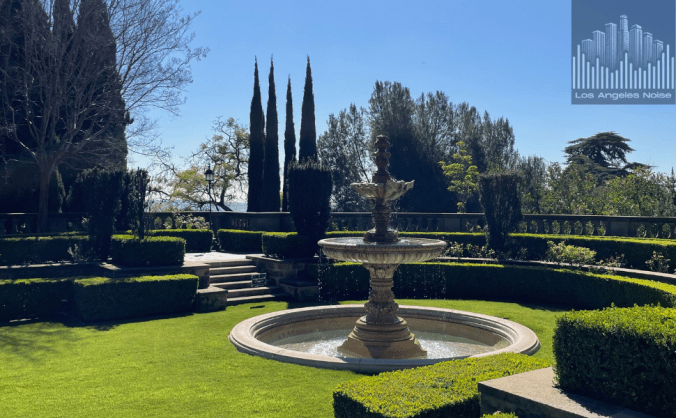
We will perhaps never know exactly what happened at Greystone Mansion on the night of February 16,1929. The Greystone Mansion was eventually turned over to the city of Beverly Hills. The gardens are open to the public and tours of the home itself are available. This keeps the story and mystery alive, another part of Los Angeles lore.
 Los Angeles Noise